
The fascinating historical evolution of casinos A journey through time and culture in Chicken Road 2 Casino
The Origins of Gambling and Early Casinos
The history of gambling can be traced back to ancient civilizations, where games of chance were woven into the fabric of societal activities. Archaeological findings suggest that as early as 3000 BC, the Chinese were using rudimentary dice made from animal bones for gambling purposes. This practice gradually evolved, paving the way for early casinos as we know them. Ancient Rome also saw its share of betting activities, often associated with gladiatorial contests and chariot races, creating a culture deeply intertwined with wagering. Whether you’re exploring the history of gambling or enjoying the chicken road 2 official app, the excitement remains timeless.
As societies advanced, so did the notion of gambling establishments. The first official casino is generally credited to the Casino di Venezia in Italy, established in 1638. Initially a theatre, this venue evolved into a gambling house, signifying a shift in how gambling was perceived and organized. It laid the groundwork for future casinos, bringing a sense of legitimacy to the practice and attracting visitors from across Europe. This emerging cultural acceptance allowed gambling to flourish, influencing the development of various gaming forms.
Fast forward to the 19th century, and the gambling landscape began to change dramatically with the establishment of casino resorts. Places like Monte Carlo and Baden-Baden epitomized the luxurious nature of gambling. These grand venues did not only serve as places to gamble but became social hubs where the elite gathered. This evolution illustrated a significant cultural shift, where gambling transformed from a clandestine activity into an accepted pastime among the wealthy, further paving the way for modern casinos.
The Rise of Modern Casinos
The 20th century witnessed a remarkable transformation in the casino industry, characterized by the rise of Las Vegas as the global gambling capital. The legalization of gambling in Nevada in 1931 was a pivotal moment that encouraged the construction of iconic resorts. This period marked the birth of the modern casino, where entertainment, dining, and luxury converged to create an all-encompassing experience. The glitz and glamour of Las Vegas attracted millions, establishing the city as a cultural phenomenon.
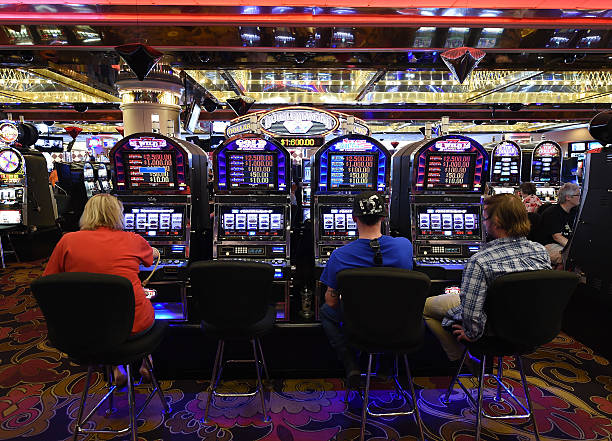
As technology progressed, casinos began to diversify their offerings. The introduction of electronic gaming machines, such as slot machines, changed the dynamics of gambling. These machines offered a quick, straightforward way to gamble, appealing to a broader audience. Moreover, the establishment of large-scale casinos featuring diverse gaming options attracted families and non-gamblers alike, further expanding the casino market. This diversification played a critical role in shaping the contemporary gambling experience.
By the late 20th and early 21st centuries, the advent of online gambling revolutionized the industry once again. The introduction of internet casinos allowed players to engage in gaming from the comfort of their homes. This new medium not only broadened access to gambling but also introduced innovative features such as live dealer games and mobile applications. With the launch of various gaming apps, including the Chicken Road 2 App, the traditional casino experience began to merge with modern technology, offering convenience and excitement to players worldwide.
The Cultural Impact of Casinos
Casinos have always held a unique position within various cultures, often reflecting societal values and norms. In some cultures, gambling is viewed as a leisurely pursuit, while in others, it may carry a stigma or be associated with moral decline. The portrayal of casinos in media—ranging from films to television series—often emphasizes their allure and glamour, shaping public perception. The depiction of Las Vegas in popular culture reinforces the idea of casinos as exciting, high-stakes environments.
Furthermore, the rise of gaming tourism has transformed cities, boosting local economies. Cities like Macau and Singapore have become major gambling destinations, drawing millions of visitors annually. These resorts often blend luxury accommodations with entertainment, dining, and shopping experiences, creating an integrated environment that enhances the cultural landscape. Such developments illustrate how casinos can be catalysts for economic growth, social change, and cultural exchange.
Despite their positive impacts, casinos also face criticism regarding their potential for fostering gambling addiction and socioeconomic disparities. The juxtaposition of entertainment and potential harm raises essential questions about responsible gambling practices. The integration of educational initiatives and support services within casino operations can play a crucial role in promoting a healthier relationship with gambling, ensuring that players enjoy their experiences without falling prey to adverse effects.
The Future of Casinos in the Digital Age
As technology continues to evolve, the future of casinos is likely to be shaped by innovations in digital gaming. Virtual reality (VR) and augmented reality (AR) are on the cusp of revolutionizing the gambling experience. Imagine stepping into a virtual casino, interacting with other players and dealers in an immersive environment that mirrors the excitement of a physical casino. Such advancements could bridge the gap between online and offline experiences, attracting a new generation of players eager for novel experiences.
Additionally, the rise of cryptocurrencies and blockchain technology is set to further transform the industry. Cryptocurrencies offer secure, anonymous transactions, allowing players to engage in gambling without traditional banking constraints. This shift could lead to a more decentralized and transparent gambling environment, appealing to those wary of conventional financial systems. The integration of these technologies could empower players and create new opportunities for operators in the ever-evolving landscape of online casinos.
Moreover, as online platforms gain traction, traditional casinos will need to adapt to remain relevant. Enhanced customer experiences, loyalty programs, and live entertainment offerings will become increasingly important in maintaining foot traffic. The blending of gaming with lifestyle experiences—such as fine dining, live shows, and wellness retreats—will redefine the purpose of casinos in the future. Ultimately, the evolution of casinos will reflect broader societal trends, ensuring that they remain vibrant cultural institutions.

Exploring Chicken Road 2 Casino
The Chicken Road 2 Casino offers a unique blend of traditional casino elements and modern gaming experiences. This engaging environment invites players to immerse themselves in a vibrant world of challenges, combining the excitement of gaming with the playful charm of the . As players guide their quirky chicken character through various levels, they encounter not only obstacles but also opportunities to engage in fun gambling experiences.
This innovative approach to gaming reflects the ongoing evolution of casinos, where the lines between gaming and entertainment continue to blur. Chicken Road 2 Casino serves as an example of how traditional casino elements can be reimagined in a mobile gaming context, appealing to a diverse audience. With its colorful graphics and user-friendly interface, it encourages players of all ages to join in on the fun, showcasing the limitless potential of casino gaming in the digital age.
In conclusion, the journey through the historical evolution of casinos demonstrates a rich tapestry of cultural and technological developments. From ancient gambling practices to the modern digital landscape, casinos have continually adapted to societal changes. The Chicken Road 2 Casino encapsulates this evolution by offering an engaging gaming experience that resonates with both traditional and contemporary casino enthusiasts, ensuring that the legacy of gambling continues to thrive in new and exciting ways.
